Do You Really Need a Fancy Slow Cooker?
What Actually Matters for Everyday Cooking?
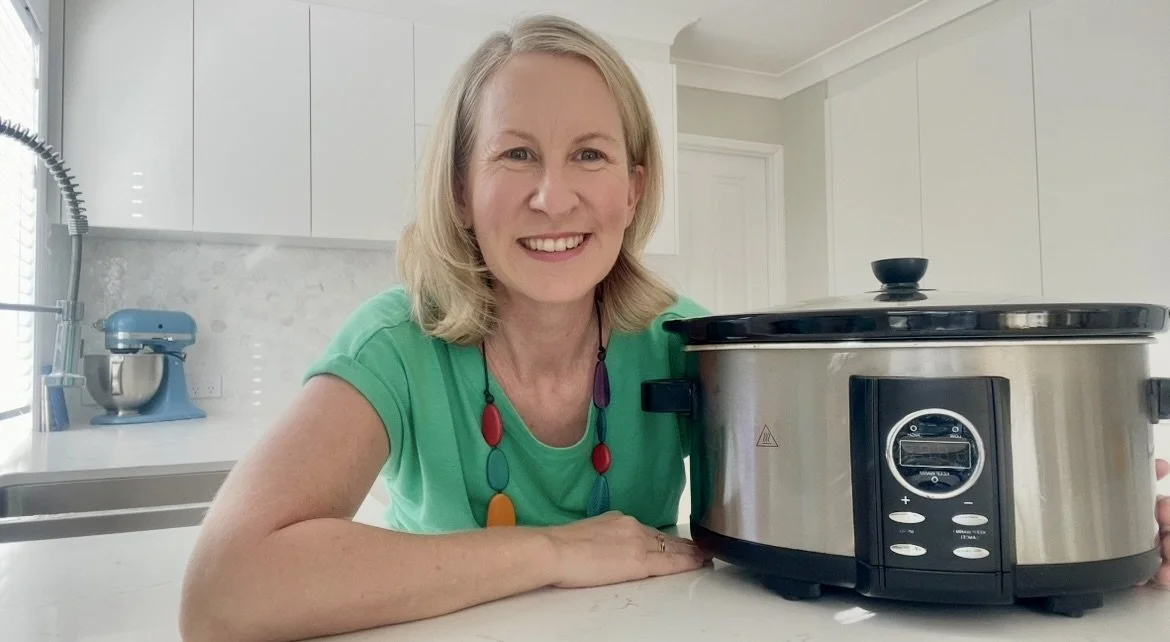
For the last five years, my trusty Kmart slow cooker has worked hard in my kitchen. From busy weeknight dinners to comforting winter meals and delicious desserts, it’s easily been one of my most-used appliances.
So when the digital display recently started playing up, I decided it was finally time to replace it.
What I didn’t expect was just how overwhelming the whole process would feel.
There are SO many slow cookers on the market now. Some can steam, sauté, pressure cook, make yoghurt and replace multiple appliances altogether. And honestly? I found myself standing in appliance aisles wondering what I actually needed… versus what simply sounded impressive in the marketing.
As someone who cooks regularly for a family, I didn’t want to spend hundreds of dollars on features I’d never realistically use. I just wanted something reliable that would make everyday cooking easier.
So I went down the slow cooker rabbit hole.
I researched reviews, compared features, read endless product descriptions and spent far too long standing in appliance stores opening lids and inspecting cooking pots like it had become my new obsession.
Eventually, I narrowed my choices down to a few of the most popular slow cookers currently available here in Australia.
The Slow Cookers I Compared:
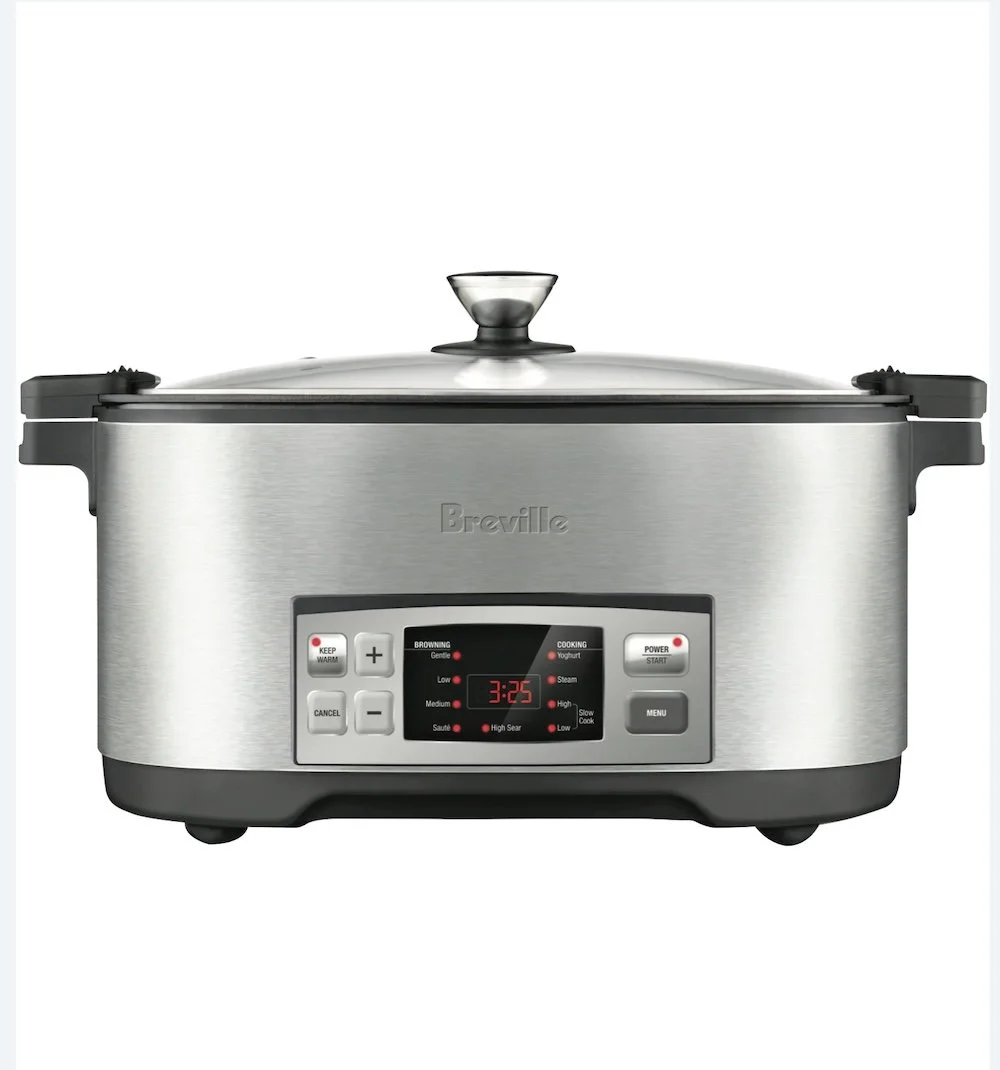
Breville Searing Slow Cooker - Approx. $219
Pros
Sear and slow cook in the one pot
Slow Cook High, Slow Cook Low and Keep Warm settings
Additional functions including Sear, Sauté, Steam and Fast Cook
Convenient for reducing dishes
Cons
Included extra functions I personally didn’t need because I already own a multi cooker
Non-stick aluminium cooking pot
I wasn’t fully confident about the long-term durability of the non-stick surface
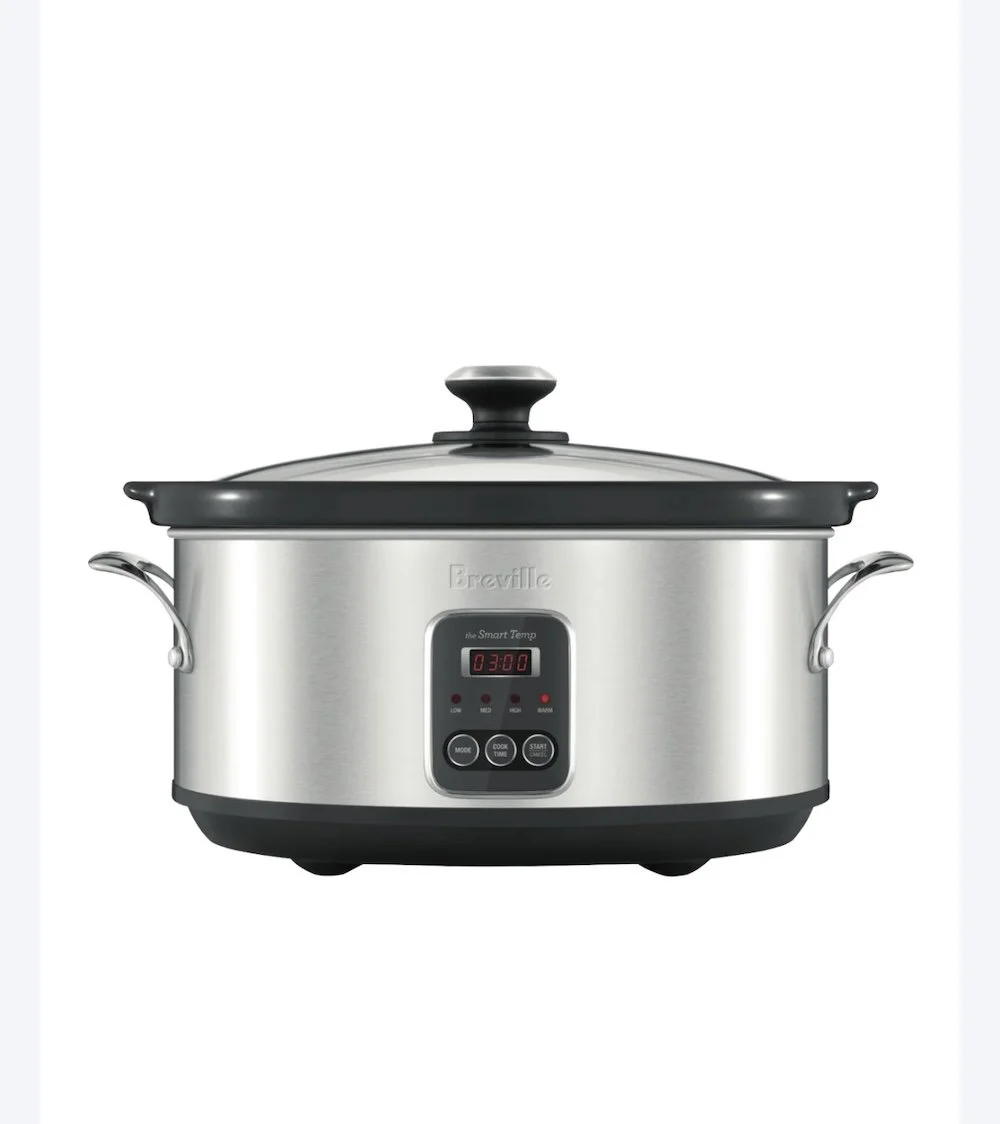
Breville The Smart Temp Slow Cooker - Approx. $159
Pros
Ceramic cooking pot
Slow Cook High and Low settings
Keep Warm function
Removable cord for easier serving and storage
Cons
Included a Medium setting, which I personally felt wasn’t necessary since most slow cooker recipes are written for either Low or High settings
No searing function
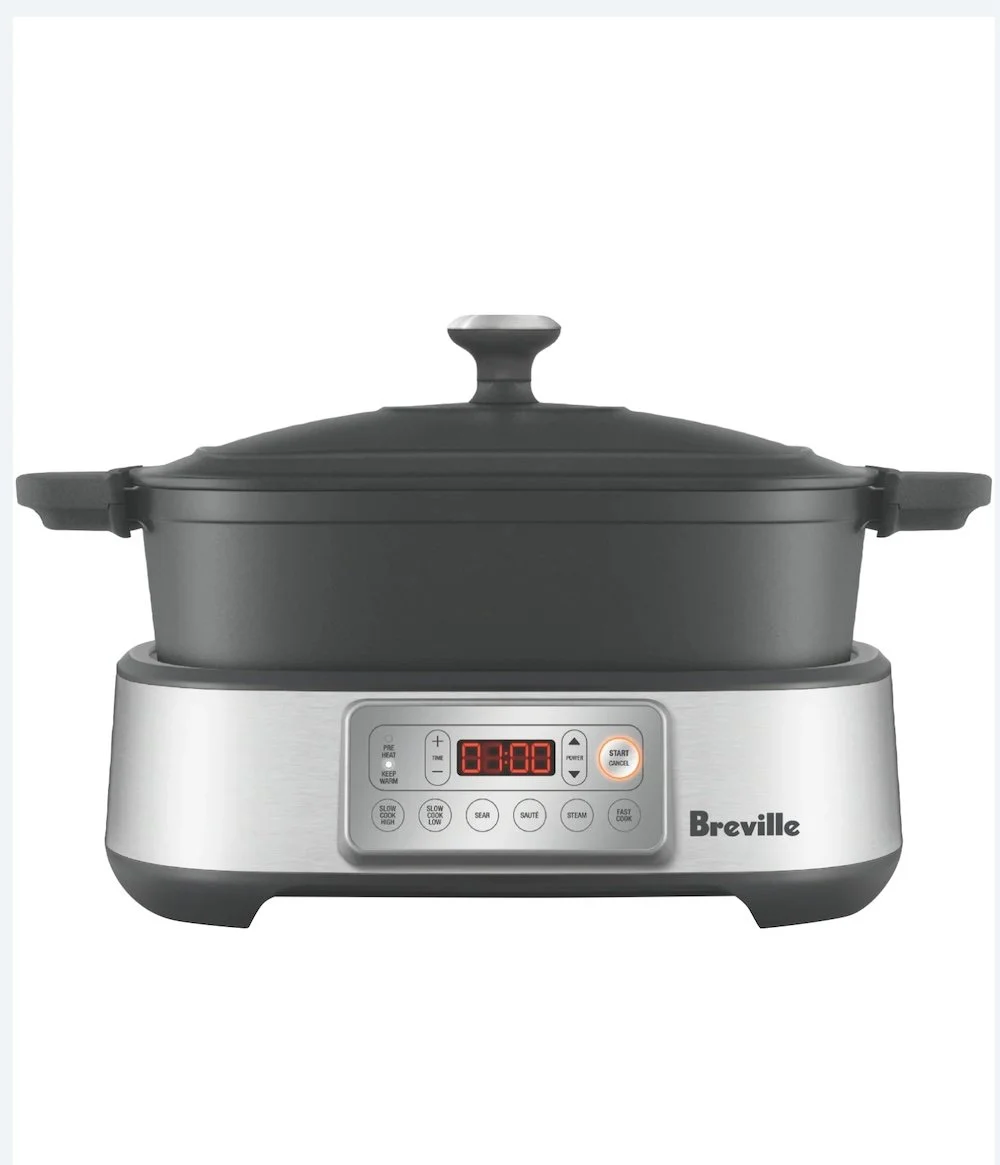
Breville The Ultimate Cook 6 in 1 - Approx. $279
Pros
Steam, sear, sauté and fast cook in one pot
Cast iron pot
Slow Cook High and Low settings
Keep Warm function
Pot can also be used in the oven
Cons
Shorter pot shape didn’t suit the way I cook larger roasts
The cast iron pot is enamel coated and I worried about possible chipping over time
I actually noticed some chipping already visible around the rim on the display model in store, which made me hesitant
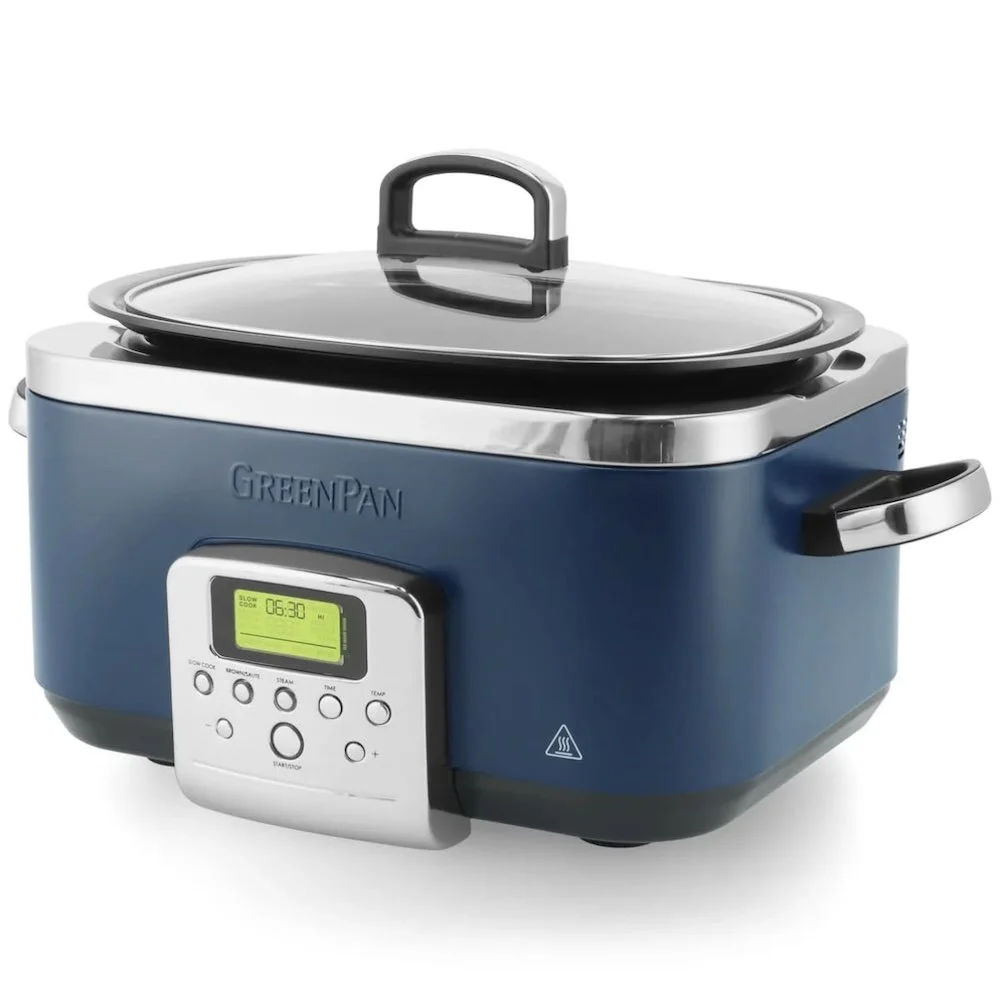
GreenPan Elite Slow Cooker - Approx. $319
Pros
Multiple cooking functions including roast, sauté and steam
Slow Cook High and Low settings
Reheat, Simmer/Buffet and Keep Warm settings
Stove top and oven safe
PFAS-free ceramic non-stick coating may appeal to those looking for alternatives to traditional non-stick cookware
Felt like a higher-end machine overall
Cons
Pot is coated/non-stick, which I personally was trying to avoid
I wasn’t sure how the coating would hold up long term with regular use
I had some concerns that the heating element may cook hotter in certain areas of the pot
Much higher price point compared to simpler slow cookers
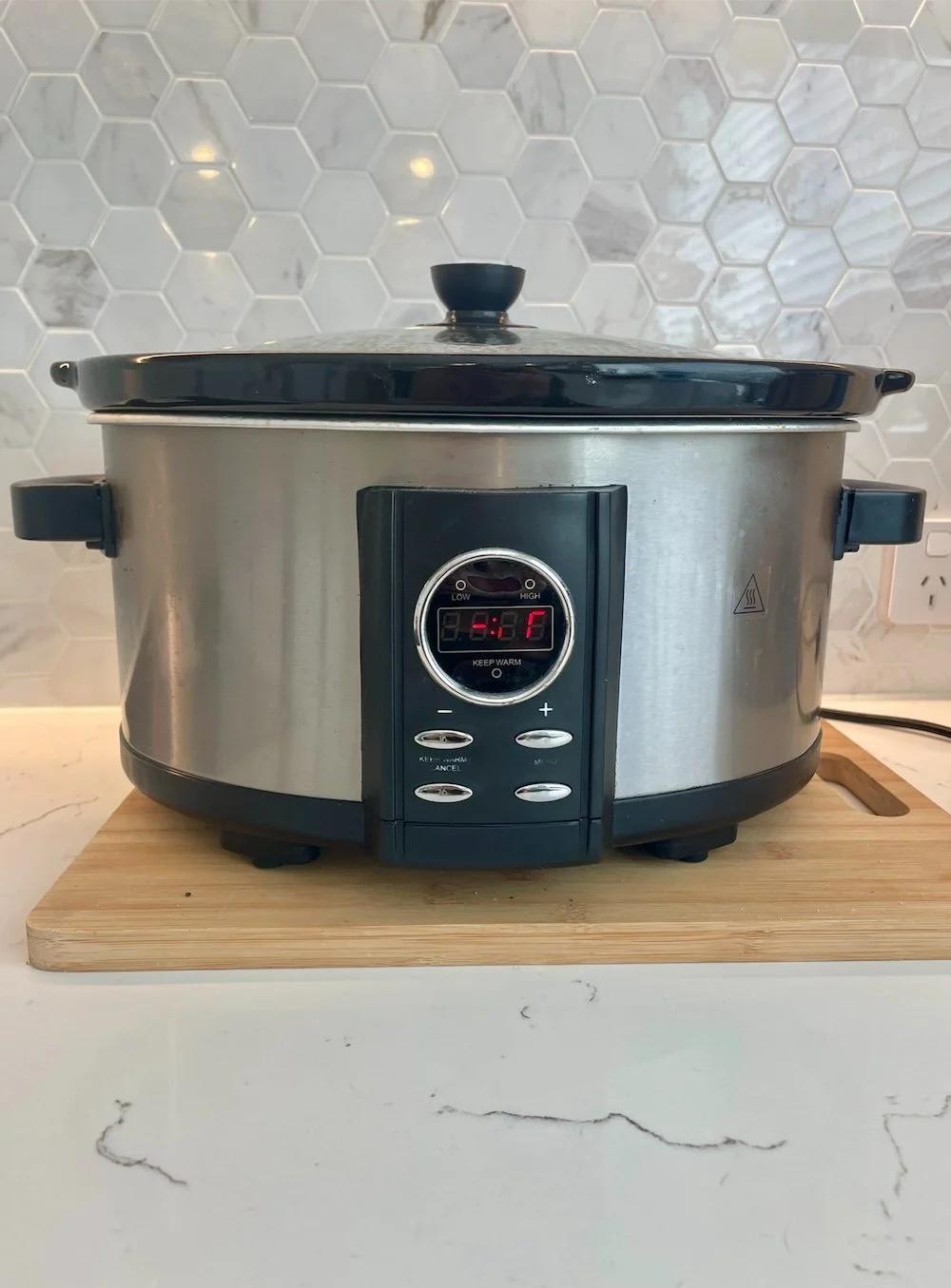
My Old Faithful: Kmart Slow Cooker - $47
Sometimes simple really is best.
My old Kmart slow cooker didn’t have fancy features or endless cooking modes. It simply had:
High Slow Cook
Low Slow Cook
Keep Warm
Ceramic bowl
Glass lid
And honestly? It cooked beautifully for years.
It made everything from slow cooker soups and curries to pulled pork, casseroles and roast dinners with very little effort.
Cons
No searing function
But truthfully? Browning meat in a separate frypan never bothered me enough to justify paying significantly more for extra features I may not use often.
Which Slow Cooker Did I Choose?
Even though I originally thought I wanted a slow cooker that could sear and slow cook in the same pot, I found myself hesitating with almost every option.
The more I compared them, the more I realised what actually mattered to me.
For slow cooking, I personally prefer a thicker ceramic-style cooking pot because I feel it retains heat beautifully and cooks food more gently and evenly over long periods of time.
I also realised I didn’t need all the extra functions.
I already own a multi cooker, so I don’t need my slow cooker to steam, pressure cook or make yoghurt as well.
While I liked the idea of cast iron, the shorter shape didn’t really suit the way I cook, especially for larger roasts and bulk family meals. And I still wasn’t fully convinced about the long-term durability of enamel coatings either.
And then I had a bit of a lightbulb moment!
I realised I’d been trying to convince myself I needed all these extra features… when really, what I wanted was a reliable slow cooker that simply slow cooked well.
So after all that researching, comparing and overthinking…
I replaced my old Kmart slow cooker with another simple Kmart ceramic slow cooker.
And honestly? I’m so happy I did.
Because sometimes the best appliance for your kitchen isn’t necessarily the fanciest one.
It’s the one that genuinely suits the way you cook, the meals you make regularly and the season of life you’re in.
For me, simple, reliable and practical wins every time.
Things I Personally Think Matter Most When Choosing a Slow Cooker
If you’re currently comparing slow cookers yourself, these are the things I’d personally focus on first:
The shape and size of the pot for the meals you cook most often
Whether you genuinely need extra cooking functions
The type of cooking pot material
Ease of cleaning
Whether the controls are simple and practical to use
Your budget and how often you’ll realistically use it
Because at the end of the day, the “best” slow cooker really comes down to your cooking style and what works for your everyday life.