What I Wish I Knew Before I Started My Sourdough Journey
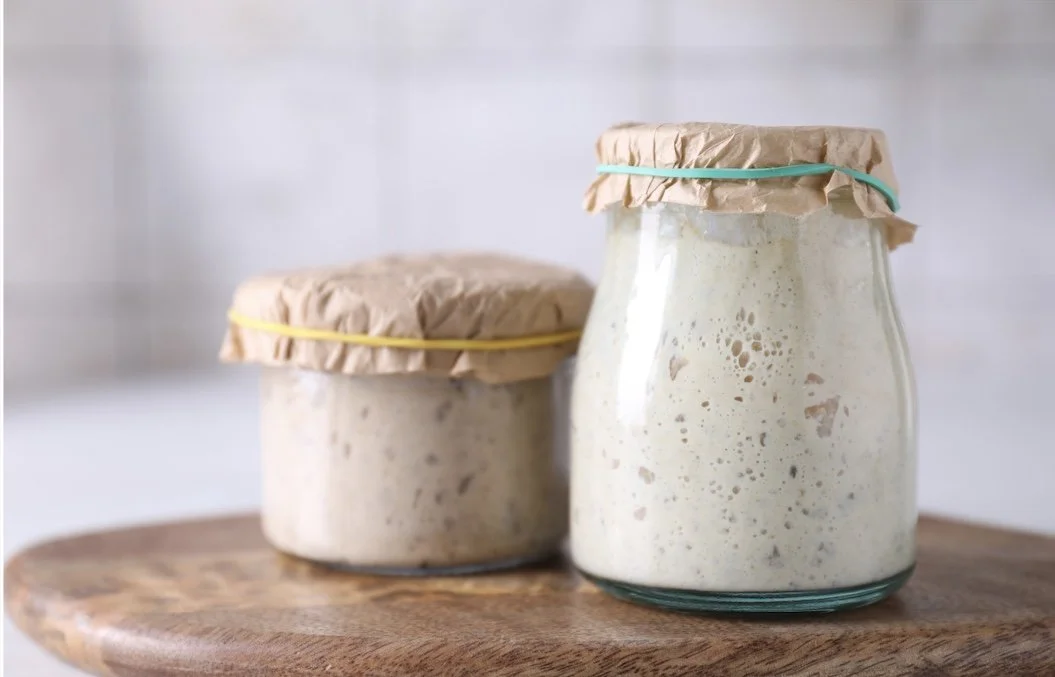
Jar of sourdough starter
My Sourdough Journey (So Far!)
A few weeks ago, I found myself completely drawn into the world of sourdough.
What started as “just a little kitchen experiment” quickly turned into me checking jars before bed, peeking at bubbles first thing in the morning and googling sourdough questions at 8pm 😂
And honestly? I completely understand now why people become obsessed with sourdough.
There’s something incredibly satisfying about nurturing a simple mixture of flour and water and watching it slowly come to life on your kitchen bench. It feels equal parts baking, science experiment and patience test all rolled into one.
I’ve still got so much to learn, but I thought it would be fun to share my sourdough journey so far. What worked, what didn’t, the mistakes I made and the little things that helped me along the way.
If you’ve been thinking about starting your own sourdough starter, maybe this will give you the confidence to finally give it a go.
Why I Fell in Love With Sourdough
I think part of what draws people to sourdough is how slow and intentional it feels.
In a world where everything is rushed, sourdough forces you to slow down a little. You can’t hurry it. You have to feed it, watch it, learn from it and trust the process.
And while yes, technically it is “just flour and water”, it genuinely feels a little magical when those first bubbles appear and your starter suddenly starts growing and becoming active.
Plus, I’ll admit… it becomes strangely exciting watching bubbles form 😂
Getting Started
One of the biggest things I learnt early on is that you really don’t need fancy equipment to begin.
To make a sourdough starter, I used:
1 sterilised glass jar
Tipo “00” baker’s flour (although any good quality bread flour works well)
Filtered water or cooled boiled water
That’s it.
Most beginner sourdough guides recommend feeding your starter equal parts flour and water by weight. I started with 50g flour and 50g water each day.
Around Day 3, I began discarding half of the starter before each feed and replacing it with fresh flour and water. This helps keep the starter balanced, active and prevents it from overflowing out of the jar.
At first, all the feeding schedules and ratios honestly felt a little confusing. Every video and blog seemed to recommend something slightly different and I quickly realised there are MANY opinions in the sourdough world.
Some people feed thick starters. Others prefer thinner ones. Some feed once a day, others twice. Some use rye flour, wholemeal flour or plain bread flour. And this can all change each day!
And honestly, I quickly learnt that things can change quite quickly from day to day. One day your starter might look bubbly and active, the next it can suddenly seem flat or sluggish and you find yourself adjusting feeds, warmth or flour ratios as you go.
It can feel overwhelming in the beginning.
Eventually, I stopped worrying about doing everything perfectly and simply focused on consistency - feeding it regularly, keeping it warm and paying attention to how it reacted.
That’s when things started improving.
My Little Sourdough Experiment
Being me, I couldn’t help turning the whole thing into a little experiment.
I actually kept two separate jars going to compare the results.
Jar 1
Fed with:
50g flour
50g water
This was the classic beginner 1:1 style feed.
Jar 2
Fed with:
½ cup flour
¼ cup water
This one was much thicker and more paste-like.
At first, I thought Jar 2 was a completely different ratio, but I later discovered it still worked out fairly close to 1:1 by weight.
Every morning I’d wake up excited to check the jars and look for new bubbles along the sides. Honestly, it became part of my daily routine surprisingly quickly.
Some days there was lots of activity. Other days it looked flat and lifeless and I’d wonder if I’d somehow ruined it overnight.
That rollercoaster seems to be a very normal part of beginner sourdough life!
Eventually, I decided to combine both starters into one jar and gave it a really good feed.
The next day, I tried a proper 1:1:1 feed:
50g starter
50g flour
50g water
The following morning I woke up to the most exciting sight, my starter had doubled in size and was full of beautiful bubbles!
That was the moment everything finally clicked.
The Magic Moment
The first time my starter properly doubled overnight felt like such a milestone.
After days of questioning whether I was doing things correctly, seeing that bubbly, active starter rise overnight honestly felt like such a win.
It suddenly looked alive.
The texture changed, the smell became pleasantly tangy and airy and for the first time I started feeling confident that maybe… just maybe… I could actually make sourdough bread.
One of the big milestones before baking is something called the float test.
You simply drop a spoonful of starter into a glass of water and if it floats, your starter is considered active enough to bake with.
The first time mine floated I was ridiculously proud considering all I had been through to get here.
But I think that’s part of what makes sourdough so rewarding. You become genuinely invested in the process.
Keeping My Starter Happy
If there’s one thing I learnt very quickly, it’s this:
Sourdough LOVES warmth.
And unfortunately, my kitchen during winter isn’t exactly tropical from May to September.
Once the temperatures dropped, I noticed my starter became slower and less active, so I had to start experimenting with ways to keep it cosy.
Here’s what helped me most:
Warming the water for about 10 seconds in the microwave before feeding, until it was lukewarm
Keeping the jar on a wooden surface instead of a cold stone bench
Wrapping the jar in a tea towel on cooler days
Covering the top with muslin or cheesecloth instead of sealing it tightly
Loosely placing the lid on top rather than screwing it on tightly
Keeping it away from cold drafts
Some people place their starter inside the oven with the light on for warmth, but I wasn’t too keen on having my oven light running all day every day. I preferred keeping mine on the kitchen bench where I could keep an eye on it throughout the day.
I quickly learnt that sourdough can be surprisingly sensitive to temperature changes. Even a few cooler days made a noticeable difference to how active my starter was and how quickly it rose.
Things That Surprised Me Most About Sourdough
There were definitely a few things nobody really prepares you for when you first start sourdough.
It requires patience
This was probably the biggest one for me.
We’re so used to instant results these days, but sourdough works on its own timeline. Some days feel incredibly slow and there were moments I genuinely wondered if anything was happening at all.
Temperature matters more than I expected
A warm kitchen makes SUCH a difference. Once I focused on keeping my starter warmer, the improvement was noticeable almost immediately.
There’s no single “perfect” method
This was actually reassuring once I realised it.
There are countless ways to feed, maintain and bake sourdough. Different people swear by completely different methods and somehow they all still make beautiful bread.
The bubbles become weirdly exciting
Honestly… who knew bubbles could bring so much joy 😂
Checking for rise, activity and bubbles became part of my morning routine.
You learn as you go
I think I originally assumed I needed to know everything before starting.
The truth is, you learn most of it through actually doing it.
The Discard Learning Curve
One thing nobody really prepares you for is just how much discard you end up with in the beginning.
At first, I was discarding half my starter daily and leaving the discard sitting on the bench in a separate jar.
Very quickly I realised that wasn’t ideal… and eventually I had to throw the whole thing away.
Honestly, it felt incredibly wasteful tossing out so much flour.
Once my starter was properly established, I started keeping my discard in the fridge and using it for baking instead of throwing it away. Suddenly the whole process felt much less wasteful and far more exciting.
So far I’ve used my sourdough discard to make:
🍪 Chocolate chip cookies - still tweaking these a little
🍫 Rich fudgy Chocolate brownies
🥞 Light and fluffy pancakes
🍕 Pizza dough - a work in progress
The pizza dough was quite thick. I’m still working on achieving that thin, bubbly, woodfired-style crust. We’re getting closer though!
I think discovering discard recipes was one of the most unexpectedly fun parts of this journey.
What’s Next
Now that my starter is finally strong, bubbly and active, it’s time for the next stage of the adventure - baking my very first sourdough loaf.
And honestly? I’m equal parts excited and nervous 😂
I’ve already been reading about stretch-and-fold techniques, shaping dough and scoring patterns and it definitely feels like there’s still a lot to learn.
But I think that’s part of the beauty of sourdough.
There’s always another technique to try, another loaf to improve or another little win to celebrate along the way.
Final Thoughts
Sourdough has already taught me so much patience.
It’s slower, messier and far less predictable than regular baking, but I think that’s exactly what makes it so rewarding.
Every day feels like its own little science experiment on the kitchen bench and honestly, there’s something incredibly satisfying about creating a living starter with your own hands.
I’m still very much a beginner and learning as I go, but if there’s one thing I’ve learnt so far, it’s this:
You do not need to know everything before you begin.
You just need a jar, some flour, some water and the willingness to keep showing up each day.
And when those first bubbles finally appear?
It feels a little bit magical.
Stay tuned… next up is my very first sourdough loaf and hopefully a beautiful crusty loaf coming out of the oven very soon 💛